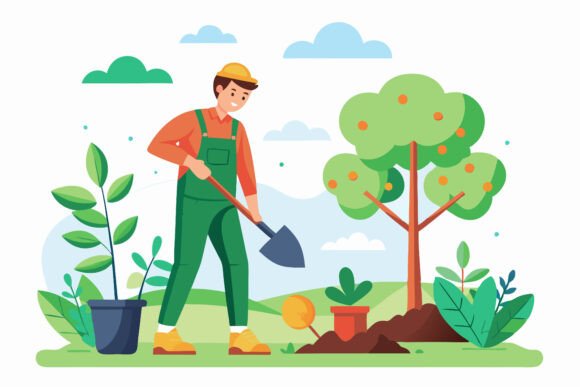
The Quiet Revolution of People Growing Plants at Home and Beyond
There is something quietly transformative happening on windowsills, balconies, backyard plots, and community spaces across the world. People growing plants has evolved from a simple hobby into a movement that touches nearly every aspect of modern life — from mental wellbeing and physical health to environmental stewardship and community resilience. Whether you are nurturing a single succulent on a desk or tending a sprawling vegetable garden, the act of cultivating living things carries a depth of meaning that extends far beyond the harvest.
Why So Many Are Turning to the Soil
The surge of interest in people growing plants did not happen by accident. In an era dominated by screens, constant notifications, and a fast-paced digital existence, the tactile, slow rhythm of caring for a plant offers a grounding counterbalance. Hands in the soil, the scent of damp earth, the quiet observation of a new leaf unfurling — these experiences reconnect us to something elemental. For many, it has become a form of therapy, a way to reclaim a sense of agency, and a daily practice in patience and attention.
Urbanization has also played a significant role. As more individuals move into cities, the disconnect from natural landscapes grows wider. People growing plants in apartments, on rooftops, and in shared community gardens bridges that gap, bringing life into concrete environments. A single potted herb on a kitchen counter can transform the feel of a room, while a community plot can transform an entire neighborhood.
Mental and Emotional Wellbeing Through Cultivation
Researchers and mental health professionals increasingly recognize the therapeutic benefits of gardening and plant care. The practice encourages mindfulness, reduces cortisol levels, and fosters a nurturing mindset. When people growing plants engage with their gardens, they often enter a state of gentle focus that quiets anxious thoughts. This is not merely anecdotal — studies have shown that interacting with soil microbes can even stimulate serotonin production, supporting a more balanced mood.
For individuals navigating grief, burnout, or life transitions, the steady, predictable cycle of planting, watering, and watching growth unfold offers a reassuring framework. Plants do not demand conversation or performance. They simply respond to care, and in that quiet exchange, many find a relationship that feels restorative and uncomplicated.
Physical Health and Nutritional Advantages
Beyond the psychological benefits, people growing plants for food gain direct control over what ends up on their plates. Homegrown vegetables, herbs, and fruits are harvested at peak ripeness, often containing higher nutrient levels than produce shipped across long distances. There is also the inherent physical activity involved — digging, lifting, bending, and walking through a garden provide a low-impact form of exercise suitable for a wide range of ages and abilities.
Parents who involve children in growing food often report that young ones become more willing to try new vegetables when they have participated in the process. The pride of picking a tomato they watched ripen from a yellow flower is a powerful motivator. In this way, people growing plants contribute to healthier eating habits that can last a lifetime.
Different Paths Into the Practice
No two gardeners follow the same journey, and the diversity of approaches is part of what makes people growing plants such a rich and accessible pursuit. Some begin with a single houseplant, chosen for its forgiving nature — a pothos trailing from a shelf, a snake plant standing sentinel in a dim corner. Others dive straight into edible gardening, motivated by the desire for fresh basil, crisp lettuce, or sun-warmed strawberries.
Indoor Gardening for Limited Spaces
Apartment dwellers and those without outdoor access have fueled a boom in indoor gardening solutions. Compact grow lights, hydroponic systems, and creative vertical planters make it possible for people growing plants to cultivate herbs, microgreens, and decorative foliage in even the smallest of spaces. The key is understanding light conditions — observing how sunlight moves through a room across the day and selecting species that match those patterns.
Indoor gardening also offers year-round possibilities. While outdoor gardens may lie dormant under snow, an indoor grow shelf can continue producing fresh greens and aromatic herbs through every season. This consistency appeals to those who want a continuous connection to growing, regardless of climate or weather.
Outdoor Gardens and Community Spaces
For those with access to outdoor areas, the possibilities expand dramatically. Raised beds, in-ground plots, container arrangements, and vertical trellises each offer distinct advantages. People growing plants outdoors learn to work with their local environment — understanding frost dates, soil composition, native pollinators, and seasonal rhythms. This knowledge deepens over time, creating a dialogue between the gardener and the land.
Community gardens deserve special mention as hubs of connection and learning. In these shared spaces, experienced growers mentor newcomers, seeds are exchanged, harvests are shared, and cross-cultural growing traditions find common ground. For immigrants and refugees, community gardens can preserve culinary heritage through the cultivation of plants rarely found in mainstream grocery stores. For isolated individuals, they offer regular social contact and a sense of belonging.
Learning the Language of Plants
One of the most rewarding aspects of people growing plants is the gradual development of observational skill. Leaves that droop slightly, a shift in coloration, the appearance of spots or curling edges — these are not problems to panic over but communications to interpret. Over time, growers learn to read these signals and respond appropriately, developing an almost intuitive sense of what a plant needs.
This learning process builds confidence that often spills into other areas of life. The realization that mistakes are learning opportunities rather than failures, that growth takes time and cannot be rushed, and that consistent small actions accumulate into significant results — these are lessons the garden teaches quietly but persistently.
Practical Considerations and Common Hurdles
Of course, the experience of people growing plants is not without challenges. Pests appear, weather turns unpredictable, and sometimes plants simply fail to thrive despite best efforts. Novice growers can feel discouraged when their carefully tended seedlings collapse or their basil develops black spots. Yet these moments are part of the learning curve. Experienced gardeners often emphasize that killing plants is, paradoxically, a necessary step in becoming a better grower.
Watering habits are among the most common stumbling blocks. The impulse to overwater — to give just a little more out of love and concern — leads to root rot more often than underwatering does. Learning to check soil moisture with a finger, to observe pot weight, and to understand each plant's specific preferences takes practice but pays dividends in healthier, more resilient specimens.
Another consideration is time commitment. While the daily care of a few houseplants may take only minutes, larger gardens can demand significant attention during planting, weeding, and harvest seasons. People growing plants should realistically assess their available time and energy before expanding, building gradually rather than overcommitting in a burst of initial enthusiasm.
Sustainability and Environmental Impact
On a broader scale, people growing plants contribute to environmental health in meaningful ways. Home gardens reduce reliance on commercially grown produce that travels long distances, often packaged in plastic. Composting kitchen scraps to feed garden soil closes a loop that diverts organic waste from landfills while enriching the earth. Pollinator-friendly plantings provide critical habitat for bees, butterflies, and other beneficial insects whose populations face pressure from habitat loss and pesticide use.
Urban green spaces, even small ones, help mitigate the heat island effect, where cities absorb and radiate heat to a greater degree than surrounding rural areas. Rooftop gardens, balcony plantings, and street trees collectively cool the air, improve air quality, and manage stormwater runoff. When people growing plants multiply across a neighborhood, the cumulative environmental benefit is tangible and measurable.
Who Can Benefit From Growing Plants
The short answer is almost everyone, but certain groups may find particular value in the practice. People growing plants include retirees seeking purposeful activity, remote workers craving a non-digital break during the day, parents wanting to teach their children about nature and responsibility, and individuals managing stress-related conditions who benefit from the calming influence of greenery. Schools increasingly incorporate garden programs to support science education, sensory development, and nutritional awareness.
Businesses, too, have recognized the value of plants in workplace environments. Offices with living plants report improved air quality, reduced employee stress, and even enhanced productivity and creativity. The presence of greenery signals care and attention to the environment, creating spaces where people feel more comfortable and engaged.
Evaluating Whether Plant Growing Fits Your Life
Before investing significant resources, aspiring growers can ask themselves a few guiding questions. How much natural light does my space receive, and at what times of day? How often am I home, and how consistent can I be with watering and care? What do I hope to gain — relaxation, food, beauty, or a combination? Answering these honestly helps match expectations to reality and prevents the frustration of mismatched ambitions.
Starting small is almost always advisable. A single resilient plant, well cared for, teaches more than a dozen neglected ones. As confidence and understanding grow, expanding the collection or garden feels organic and sustainable rather than overwhelming.
The Enduring Appeal
At its heart, the phenomenon of people growing plants speaks to something timeless and deeply human. Long before agriculture became industrialized, people tended their plots of land, saved seeds, traded harvests, and marked seasons by what bloomed and ripened. That thread of connection — to food, to nature, to community, to the passage of time — remains unbroken. In an age of rapid change and digital saturation, the simple act of nurturing a living thing offers continuity, meaning, and a quiet kind of hope. Every seed planted carries the promise of tomorrow, and in that promise, countless individuals have found exactly what they needed.